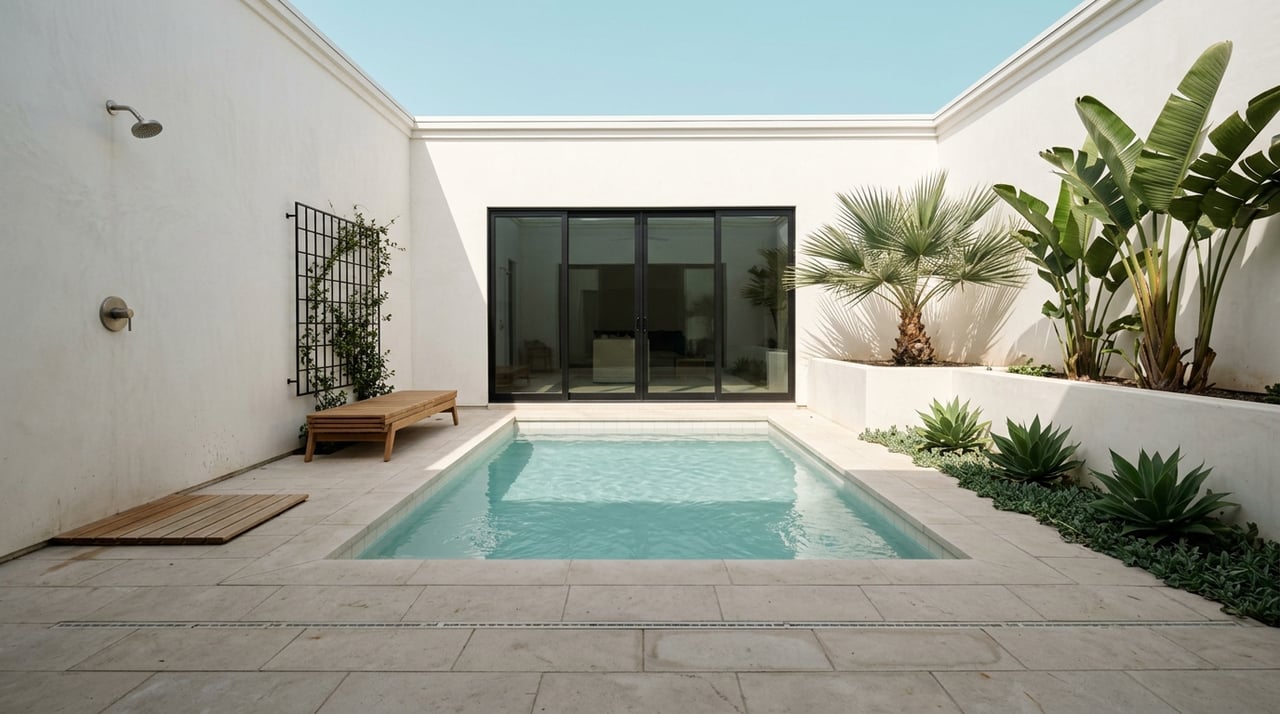
What to Know About Huntington Beach Vacation Homes
April 16, 2026
April 16, 2026
Dreaming about a place by the coast where you can slip into vacation mode the moment you arrive? If Huntington Beach is on your radar, you are not alone. For many buyers, the appeal is simple: beach access, an active outdoor lifestyle, and a home that can serve as a weekend escape, seasonal retreat, or long-term lifestyle investment. The key is knowing which part of Huntington Beach fits the way you want to use the property and what ownership rules may shape your options. Let’s dive in.
Huntington Beach offers a rare mix of shoreline, recreation, and everyday convenience. The city sits in Orange County about 35 miles south of Los Angeles and includes roughly 10 miles of beaches, along with distinct areas tied to downtown, the harbor, the coast, and major park space, according to official visitor maps from Surf City USA.
For a vacation-focused buyer, that variety matters. You can look for a walkable condo near the beach, a waterfront home with marina access, or an inland property that still keeps you close to the coast. Huntington Beach is not a one-size-fits-all market, which is why narrowing your goals early can save you time and help you make a stronger offer.
The pace of the market also deserves attention. In February 2026, Redfin described Huntington Beach as very competitive, with homes receiving about four offers on average, selling in around 35 days, and reaching a median sale price of about $1.28 million, as summarized in the research report. If you are shopping for a second home in a prime coastal area, preparation matters.
A vacation-focused home should support the way you actually plan to use it. Some buyers want a true lock-and-leave property with minimal upkeep. Others want space for extended stays, waterfront recreation, or the option to host visiting friends and family.
City housing data shows Huntington Beach is still largely a detached and attached single-unit market, with nearly 60% of units in those categories, while areas like Sunset Beach have a more mixed housing profile that can include condos, duplexes, and other residential formats. You can review that context in the city’s Housing Element.
That means your search should start with a practical question: what kind of ownership experience do you want? A condo or townhome may be easier to manage when you are away. A detached coastal home may offer more privacy and flexibility, but it can also come with more maintenance, insurance review, and property oversight.
Downtown Huntington Beach is often the most natural fit if you want convenience and walkability. Official local tourism materials connect this area to the pier, Main Street, 5th & PCH, and Pacific City, while city planning materials note that the coastal downtown includes narrow single-family lots alongside larger apartment and condominium developments.
For you, that usually translates into more opportunities for condos and townhomes near the beach and dining core. If your ideal second home is one where you can arrive on Friday, park the car, and spend the weekend on foot, downtown deserves a close look. It is one of the strongest choices for a low-fuss vacation base.
If you prefer a quieter, more relaxed setting, Sunset Beach may be appealing. Official destination information for Sunset Beach highlights its one-and-a-half-mile beachfront stretch, public amenities, and nearby shops and restaurants.
The area also has a broader property mix. The Sunset Beach specific plan identifies single-family homes, duplexes, and condominium or community-apartment product in the residential district, according to the research report. That can create interesting options for buyers, but it also means you need to be especially careful about use restrictions, rental rules, and coastal limitations before you commit.
If boating access or a marina setting is high on your list, Huntington Harbour stands apart. The city describes it as a man-made residential and marina development with homes oriented toward the waterways, as noted in the Housing Element.
This is the area to consider if your version of a vacation home includes paddleboarding, boating, dock access, or a strong waterfront feel. It is less about classic walk-to-the-pier beach energy and more about a private, resort-like coastal lifestyle.
Not every vacation-focused buyer wants to be right on the sand. Some would rather have a little more room, easier parking, and less exposure to the wear and tear that comes with direct coastal conditions.
Central Park and nearby inland neighborhoods can support that goal. Official materials describe Huntington Beach Central Park as a 350-acre city-owned park with trails, lakes, a library, sports facilities, a dog park, and an equestrian center. If you want a property that supports long weekends and active outdoor living while staying close to the beach, this part of the city may be worth considering.
A great vacation home is about more than the house itself. It is also about whether the surrounding area gives you enough to enjoy without complicated planning every time you visit.
Huntington Beach performs well on that front. Local tourism materials highlight the shoreline bike path and walking corridor, the Bolsa Chica Ecological Reserve trail system, and destination nodes like Main Street, Pacific City, and the pier area. That mix supports the kind of easy, repeatable routine many second-home buyers want: beach in the morning, lunch nearby, a walk or ride in the afternoon, and a low-stress evening close to home.
If you are buying a condo, townhome, or any property in a common-interest development, do not treat the HOA review as a formality. It can shape how you use the home from day one.
In California, HOAs are governed by CC&Rs, bylaws, rules, fees, and assessments. The California Attorney General’s homeowner association consumer page is a helpful reference for understanding the role these documents play. In Huntington Beach, this matters even more because city short-term-rental rules defer to HOA restrictions where they apply.
If rental flexibility matters to you, or if you think you may want to make exterior changes later, read those documents early in escrow or ideally before you write. A polished property in a strong location is not automatically the right fit if the governing documents limit the way you plan to use it.
Many buyers ask whether a vacation-focused home can also produce rental income. In Huntington Beach, the answer depends heavily on the property’s location, occupancy pattern, and HOA rules.
The city defines a short-term rental as a stay of 30 nights or fewer and requires a city permit to advertise, rent, or operate one, according to the city’s short-term rental FAQ. Just as important, the permit is personal and does not run with the land, so you should never assume a seller’s permit transfers to you.
The city states that owner-occupied short-term rentals are allowed in Zone 1 and Zone 2, while unhosted rentals are only allowed in Sunset Beach under limited grandfathering rules. If the home is in an HOA, the city will not issue a permit unless the CC&Rs allow that use.
There are also operating requirements. The city requires general liability insurance, a 24/7 local contact, and collection of a 10% transient occupancy tax plus a 4% tourism district assessment. If rental income is part of your purchase decision, you will want to verify the property’s eligibility before you move forward.
Owning near the coast can be rewarding, but it also calls for a more careful look at risk, insurance, and maintenance. This is especially true if you are comparing ocean-close areas with inland alternatives.
Huntington Beach’s general plan identifies erosion, flooding, and sea-level-rise risk in low-lying coastal areas, with Sunset Beach and Huntington Harbour among the higher-risk areas. The plan also notes tsunami exposure in parts of the coast and explains that buyers planning additions or major remodels should confirm whether a coastal development permit is required in the coastal zone. You can review that background in the city’s General Plan introduction.
Insurance deserves a separate review. FEMA explains that flood insurance is separate from homeowners insurance, and the research report also notes that standard California homeowners policies do not cover earthquake damage. In addition, salt air can speed up corrosion on metal fasteners and connectors, which means ocean-close homes often need more active exterior maintenance than inland properties.
If you are serious about buying a vacation-focused home in Huntington Beach, it helps to stay focused on a few core decisions:
The right purchase is not just the prettiest home near the beach. It is the one that fits how you plan to live, visit, maintain, and possibly rent the property over time.
When you are weighing neighborhoods, property types, and ownership details in coastal Orange County, having local guidance can make the process much smoother. If you are considering Huntington Beach or nearby coastal communities, Vanessa Moore offers polished, hands-on guidance to help you buy with clarity and confidence.
Stay up to date on the latest real estate trends.

I’m here to help with every step, reach out today and let’s make your coastal dream a reality.