Newport Beach Harbor vs Beach Living: How to Choose
February 5, 2026
February 5, 2026
Should your days start on a quiet canal or with the crash of waves on open sand? If you are choosing between harbor living and beach living in Newport Beach, you are not alone. Each lifestyle offers real perks, from dockside mornings to endless horizon views, and each comes with tradeoffs you want to understand before you buy. In this guide, you will compare daily rhythms, housing types, costs, convenience, and risks so you can choose the coastal life that fits you best. Let’s dive in.
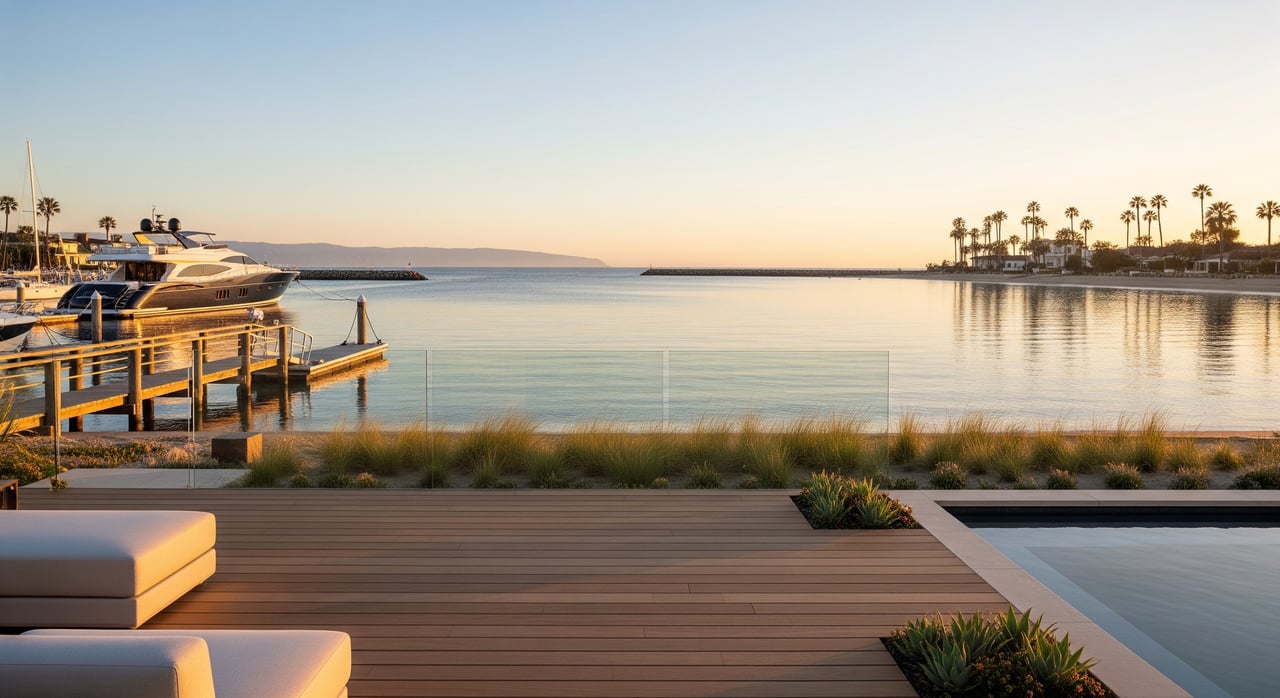
On the harbor, mornings feel calm and neighborly. You might sip coffee while paddleboards and dinghies slide past, then walk to a local café on Balboa Island or Lido. The protected water keeps breezes gentler and sound softer. Views focus on boats, docks, and the glimmer of the inner bay.
Your day centers on the water. You can launch a kayak or SUP from a private dock or a nearby marina slip. Social life often revolves around yacht clubs, harbor events, and casual island walks. Summer and weekends bring more visitors, especially around the Balboa Ferry and Fun Zone, yet the vibe stays village-like compared with the oceanfront boardwalk.
Evenings tend to be peaceful with boat engines idling and dock chatter. You will hear less surf and wind than on the ocean side. Streets are narrower and more intimate, which adds to the community feel.
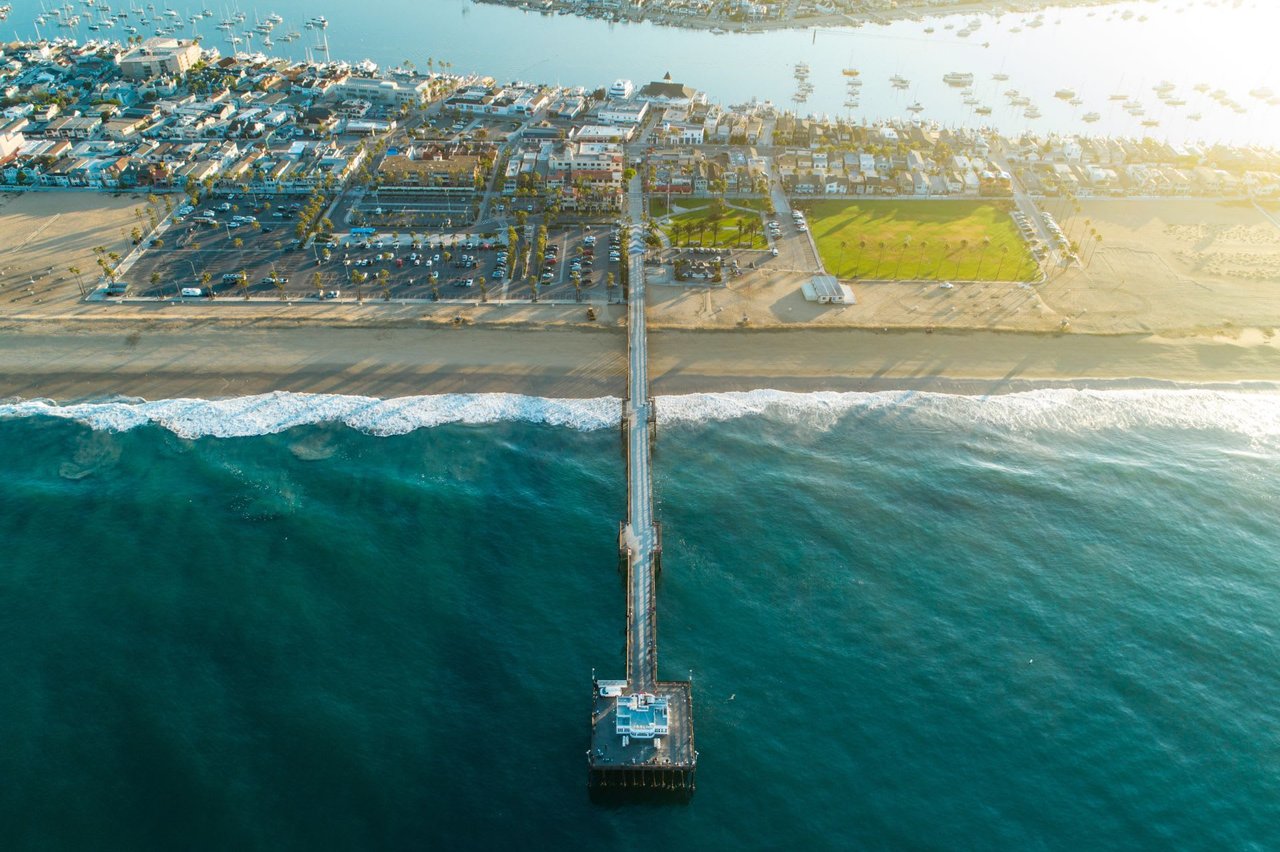
On the beach side, you wake to open horizons and the steady sound of waves. The air feels brisk and salt-fresh. You can step onto the sand for a sunrise walk, watch surfers near the pier, or plan a run along the strand.
Beach days are front and center. You will see volleyball games, lifeguard activity, and visitors lining the boardwalk. The Wedge can be a big spectacle on certain swells, drawing crowds and energy. Summer weekends feel lively throughout daylight hours.
Nights bring constant surf noise and stronger breezes. The ocean view is the star, and sunsets can be dramatic. Expect more foot traffic and day-visitor activity near the sand and pier.
Harbor neighborhoods include Balboa Island, Lido Isle, and inner harbor pockets near Back Bay. You will find canal-front cottages, duplexes, townhomes, historic bungalows, and condos connected to marinas. Many homes feature private docks or access to slips. Buyers pay premiums for direct water access and mooring potential.
Along the Balboa Peninsula’s ocean side and the bluffs of Corona del Mar, housing ranges from single-family beachfront homes to luxury condos with large decks, plus older beach cottages. Orientation maximizes views and indoor-outdoor living. Premiums reflect unobstructed ocean vistas and instant sand access.
Both sides of Newport Beach see limited turnover. Inventory is tight and desirable properties draw strong interest. Micro-location and unique features can drive competitive scenarios.
Coastal homes in Newport Beach often carry higher insurance, more exterior upkeep from salt exposure, and potential HOA or association fees. Roofs, paint, and metal finishes typically need more frequent maintenance.
If you plan to keep a boat nearby, budget for mooring or slip fees and possible waitlists. Docks require maintenance and occasional repair. Some parcels may be subject to harbor-related assessments or rules set by city or marina authorities.
Beachfront and bluff homes can face stronger storms and wind, which may increase maintenance or repair costs. Sand intrusion cleanup is a fact of life near the beach. Bluff properties can involve stabilization considerations.
Fashion Island and other major shopping districts are a short drive from either lifestyle.
Pacific Coast Highway and major arterials see peak congestion during commute windows and summer weekends. Oceanfront zones handle heavier day-use parking demand, with timed and paid lots common. Balboa Island and the peninsula enforce neighborhood parking rules, especially during busy seasons.
Most residents rely on cars, bikes, and local shuttles for short trips. The Balboa Ferry is a practical connector between the island and peninsula.
Both harbor and beach properties face coastal hazards, but the exposure differs. Oceanfront homes experience direct storm and surf energy, along with potential overwash and erosion. Harbor canals and low-lying edges are more sheltered from waves, but they can flood during king tides or storm surge. Review FEMA flood zones, city floodplain designations, and insurance requirements during due diligence.
Newport Beach and California coastal agencies study sea level rise and guide long-term adaptation. Projections influence planning for bulkheads, seawalls, dune work, and harbor infrastructure. The implications vary by micro-location and elevation, so factor long-term planning into your decision.
Expect specialized coverage options, including flood insurance and windstorm riders. Claims may carry higher deductibles in coastal zones. Oceanfront projects often fall under California Coastal Commission oversight and the City’s Local Coastal Program, while harbor facilities follow city and harbor governance.
Newport Beach regulates short-term rentals by zone and requires compliance with city rules and any HOA policies. If you are considering rental income, verify current regulations and registration requirements before you buy.
Charming, walkable, and social. Narrow lanes lead to cafés, small markets, and bayfront promenades. Expect calm-water activity and easy access to the ferry.
A refined harbor enclave with community amenities and quick access to boutique dining and shopping. Many homes sit on or near the water with potential dock opportunities.
Endless beach access and a lively boardwalk scene. Near the pier, life feels active from sunrise to sunset during peak season. The Wedge delivers seasonal spectacle at the jetty.
Cove beaches and coastal bluffs create striking outlooks and a more private feel in some pockets. Homes emphasize view corridors and outdoor terraces.
Visit mornings, afternoons, and evenings. Compare weekday calm to weekend energy. Note wind, sound, and parking conditions in each time window.
Use a checklist to focus your conversations with sellers, HOAs, and local agencies:
Discuss sea level rise planning and adaptation with your advisor. Ask how local policies may affect bulkheads, seawalls, docks, or dune work over time. Consider elevation, shoreline position, and community maintenance practices when you compare addresses.
The decision often comes down to where you find your daily joy. If you love stepping onto a dock and paddling before breakfast, harbor living will feel like home. If you crave open horizons and a front-row seat to sunset, the beach side will deliver. Both lifestyles are scarce, both can hold value well, and both reward careful, local-first due diligence.
When you are ready to experience each side in person and compare the details that matter, reach out to a trusted local advisor. Vanessa Moore can guide you through targeted tours, insurance and flood reviews, slip and permit checks, and a clear plan from offer to close.
Stay up to date on the latest real estate trends.




I’m here to help with every step, reach out today and let’s make your coastal dream a reality.