What do Newport Beach's zoning and housing overlay changes mean for luxury buyers?
Newport Beach's 6th Cycle Housing Element and its Housing Opportunity Overlay direct new residential density to specific commercial corridors, Airport Area, Newport Center, and West Newport-Mesa, rather than into established single-family coastal neighborhoods. For luxury buyers, this means the changes create new product types and investment opportunities in some areas while leaving enclaves like Newport Coast and Corona del Mar largely intact, provided you know exactly where the overlays apply and how state law can accelerate surrounding development.
The Framework Behind the Changes
Newport Beach adopted its 6th Cycle Housing Element in February 2022, covering the planning period from October 2021 through October 2029. The California Department of Housing and Community Development found it in substantial compliance with state housing element law, which matters because non-compliant cities lose local land-use control. To stay compliant, Newport Beach committed to zoning that can accommodate its RHNA allocation of 4,845 housing units for the cycle, as set by the Southern California Association of Governments as part of a countywide mandate of 183,861 units.
That number breaks down across income categories: 1,456 very low, 907 low, 1,050 moderate, and 1,432 above-moderate units. The above-moderate category is where most luxury and market-rate product lands, and it's the category most directly relevant to high-end buyers evaluating new construction or mixed-use projects.
What the Housing Opportunity Overlay actually does
The Housing Opportunity Overlay (HOO) is an additional layer of zoning that sits on top of a parcel's base designation. It unlocks residential or mixed-use residential development at higher densities than the underlying zoning would otherwise allow, provided projects meet specified design and affordability standards tied to the Housing Element. Newport Beach's Title 20 Zoning Code codifies these overlays; they're adopted by ordinance, mapped to specific parcels, and enforceable through the same process as any other zoning regulation.
The key strategic decision the city made: concentrate new capacity in commercial corridors and underutilized sites rather than upzone existing R-1 single-family neighborhoods. That's a meaningful distinction for a luxury buyer. Your established coastal neighborhood isn't the target of these changes, but the areas surrounding high-value amenities like Fashion Island absolutely are.
California Density Bonus Law layers on top
Here's where it gets more complex. Under California Density Bonus Law (Gov. Code §65915), any residential project that includes a qualifying percentage of affordable units is entitled to a density bonus of up to 50%, plus concessions, waivers, and reduced parking standards. Newport Beach must grant these incentives when the statutory criteria are met, the city has no discretion to refuse them.
For sites already in a Housing Opportunity Overlay, Density Bonus Law can push allowable unit counts even higher than the overlay's base density. A developer building a luxury condo project near Newport Center who includes the required affordable component can end up with more market-rate units than the base overlay would suggest. That's a feature for buyers who want more high-end inventory in those corridors, but it's also a signal that surrounding development could happen faster and at greater scale than initial zoning maps imply.
California's SB 35 streamlining law compounds this: projects that meet specific affordability and design criteria can bypass full discretionary review, moving through the entitlement process on a ministerial track. That can accelerate the timeline of neighborhood change around overlay areas, something I always flag for clients evaluating views, traffic patterns, and future comparable sales.
Where This Matters Most for Luxury Buyers
Newport Center and Fashion Island corridor
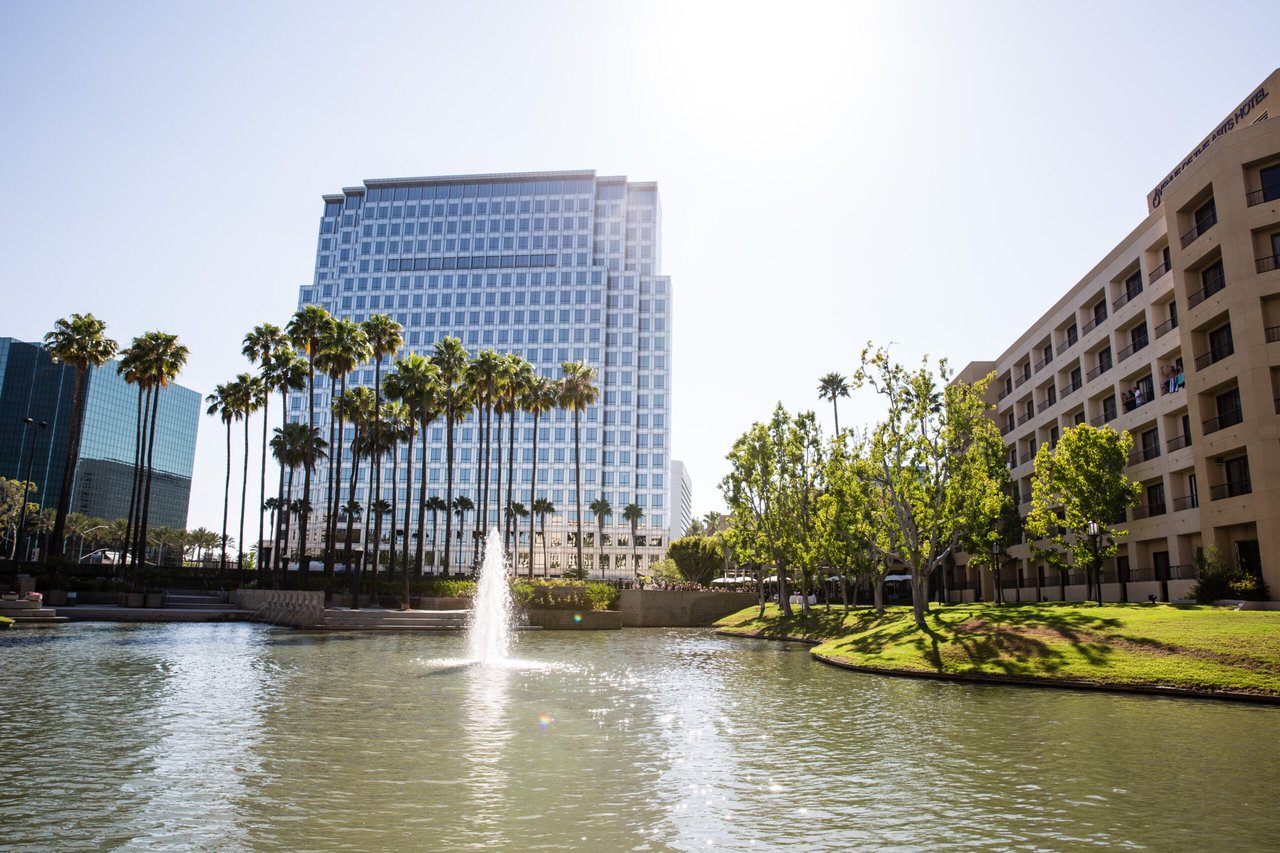
The Newport Center Planned Community is one of the highest-value commercial districts in Orange County, anchored by Fashion Island and surrounded by office, hotel, and luxury retail uses. The Housing Element identifies this corridor for additional multifamily and mixed-use units, with several sites capable of supporting several-hundred-unit projects that blend market-rate and affordable components.
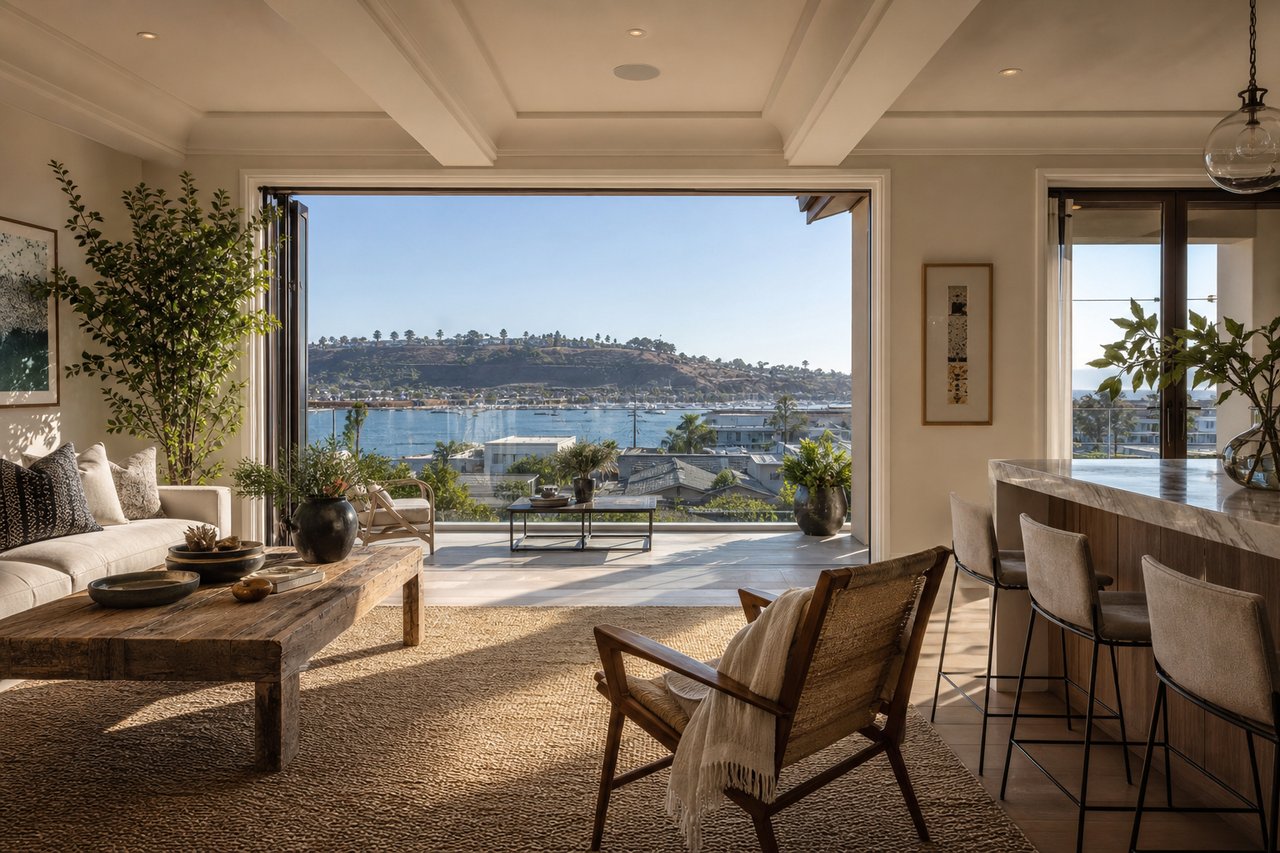
For luxury buyers, this is actually an opportunity. Vertical condos and townhomes near Newport Center offer the lock-and-leave lifestyle that appeals to second-home buyers and clients downsizing from large coastal estates. Proximity to Fashion Island, walkable amenities, and professionally managed buildings with concierge-level services is exactly what that buyer profile is looking for, and zoning now supports building it.
If you're evaluating a condo or townhome in or near this corridor, I walk my clients through the specific parcel's overlay status, the project's entitlement history, and what adjacent sites are zoned to allow. That due diligence shapes the conversation about long-term value in a way that a portal listing never will. You can also check a property's overlay status directly through Newport Beach's online GIS and interactive zoning map, which lets you search by address or parcel number.
Airport Area
The Airport Area is slated for the most substantial residential capacity increases under the Housing Element. Some sites carry allowed densities of 30 to 60 dwelling units per acre under overlay provisions, ranges that support mid- to high-end multifamily communities. The appeal for luxury buyers here is proximity to John Wayne Airport, major employment centers, and the freeway network, without the premium of a bayfront or oceanfront address.
This is a different buyer than the Newport Coast estate buyer. The Airport Area attracts executives who want a well-appointed, low-maintenance residence close to business infrastructure. As more overlay-entitled projects deliver, this submarket will have more professionally managed luxury rental and for-sale inventory than it has historically offered.
Newport Coast, Corona del Mar, and established coastal enclaves
Here's what most luxury buyers want to know: are Newport Coast, Corona del Mar, Harbor View, Dover Shores, and the traditional bayfront neighborhoods affected? The direct answer is that the Housing Element and HOO concentrate new capacity elsewhere. These established, primarily R-1 neighborhoods are not the target of upzoning.
That said, indirect impacts are real. Increased density in adjacent corridors can affect traffic patterns, utility infrastructure, and the character of nearby commercial areas. And buyers in Newport Coast specifically need to do one additional piece of due diligence: Mello-Roos special taxes. Parts of Newport Coast and nearby high-end subdivisions sit within Community Facilities Districts created under the Mello-Roos Community Facilities Act of 1982 (Gov. Code §53311 et seq.). These special taxes appear as a separate line item on annual property tax bills and can materially affect carrying costs. Always review the preliminary title report and the Orange County Treasurer-Tax Collector's CFD listings before you're in contract.
For a deeper look at how Newport Coast's gated communities compare on lifestyle, amenities, and community structure, my post on Newport Coast gated communities walks through the key differences.
Due Diligence Steps Every Luxury Buyer Should Take
Zoning changes don't make a property better or worse on their own, they shift the context around it. Here's what I tell every buyer I work with in Newport Beach before we go into contract:
- Check the parcel's zoning and overlay status. Use Newport Beach's GIS zoning map to confirm base zoning, any Planned Community (PC) district designation, and whether a Housing Opportunity Overlay applies. Then cross-reference with Title 20 of the Municipal Code for the specific development standards that govern the parcel.
- Review adjacent and nearby parcels. If you're buying a condo or a view property, understanding what can be built on the lots around you is as important as understanding what you own. A site with an HOO designation two parcels away can change your view or your neighborhood character within a few years.
- Identify any CFD or Mello-Roos obligations. Request a preliminary title report early and verify the tax rolls through the Orange County Auditor-Controller. Special taxes on luxury properties can be significant and are non-negotiable once you own the parcel.
- Understand the Coastal Development Permit layer. Properties in the Coastal Zone face an additional permitting layer through the California Coastal Commission's Local Coastal Program. Custom remodels, additions, and rebuilds in coastal areas follow a different review track than inland properties, one that's largely independent of the Housing Opportunity Overlay system.
- Know the documentary transfer tax basics. California's state-authorized documentary transfer tax is imposed at the county level under California Revenue and Taxation Code §11911, at a base rate of $0.55 per $500 of value. Newport Beach does not currently impose an additional city-level transfer tax beyond the county amount, per the California Association of REALTORS® city transfer tax reference, but who pays is typically negotiated between buyer and seller, not mandated by law. Confirm the allocation in your contract.
- Understand the escrow and closing process. Newport Beach transactions close through a neutral escrow company under California's escrow model, regulated by the California Department of Financial Protection and Innovation. All funds wire into escrow, and transfer is finalized when the grant deed records with the Orange County Clerk-Recorder. Your escrow officer coordinates all disbursements and payoffs at closing.
Every situation is different, and the only way to know how a specific parcel's zoning and overlay status affects your purchase decision is to run through it with someone who knows this market. That's exactly the kind of analysis I do before my clients make an offer.
Area | HOO / Upzoning Focus | Primary Luxury Product Type | Key Due Diligence Item |
|---|---|---|---|
Newport Center / Fashion Island | Yes, multifamily and mixed-use sites identified | Vertical condos, lock-and-leave residences | Adjacent parcel overlay status, building entitlement history |
Airport Area | Yes, 30–60 du/ac overlay densities on select sites | Mid- to high-end multifamily, executive rentals | Project pipeline on surrounding parcels |
West Newport–Mesa | Yes, commercial corridor rezoning | Mixed-use, townhomes | Base zoning vs. overlay interaction |
Newport Coast | Not a primary target | Gated estate and luxury single-family | Mello-Roos / CFD obligations on specific parcels |
Corona del Mar | Not a primary target | Coastal single-family, view properties | Coastal Development Permit requirements for remodels |
Harbor View / Dover Shores | Not a primary target | Established R-1 single-family | Indirect density impacts from adjacent corridors |
Frequently Asked Questions
Are Newport Coast and Corona del Mar affected by Newport Beach's new zoning and Housing Element changes?
Not directly. Newport Beach's Housing Element and Housing Opportunity Overlay concentrate new residential capacity in the Airport Area, Newport Center, and West Newport-Mesa corridors, not in established coastal enclaves like Newport Coast or Corona del Mar. These neighborhoods remain primarily low-density R-1, though buyers in Newport Coast should still verify whether their specific parcel sits within a Community Facilities District with Mello-Roos special taxes, as some portions of that community do carry those obligations.
How do Newport Beach's new housing overlay zones affect what I can build or remodel on a high-end property I'm buying?
If your property sits in an established R-1 zone outside the Housing Opportunity Overlay areas, the overlay changes don't directly affect your remodel or rebuild rights, those are governed by Title 20, your PC district standards if applicable, and any Coastal Development Permit requirements. If you're buying in or near an overlay area, the standards for your parcel depend on whether the overlay applies to your lot specifically. I always recommend pulling the parcel's zoning details from Newport Beach's GIS map and cross-checking with Title 20 before you finalize your renovation plans.
Will upzoning and higher-density projects near Newport Center or the Airport Area hurt or help my luxury home's resale value?
It depends on what you own and where. Higher-density projects near Newport Center can increase walkability, amenity access, and the pool of potential buyers for nearby luxury condos and lock-and-leave residences, which can support values. For single-family homes where views or neighborhood character are part of the premium, new density on adjacent sites is a risk factor worth evaluating carefully. This is exactly the kind of question where a parcel-level analysis matters more than a general answer.
How does California's Density Bonus Law affect new luxury condo or mixed-use projects in Newport Beach?
Under California Density Bonus Law (Gov. Code §65915), developers who include a qualifying percentage of affordable units in a project are entitled to a density bonus of up to 50%, plus concessions and reduced parking standards. Newport Beach must grant these incentives when the criteria are met. For luxury buyers, this means a project in a Housing Opportunity Overlay area can deliver more market-rate units than the base overlay density suggests, which can mean more high-end inventory in corridors like Newport Center and the Airport Area, but also faster and larger-scale development than initial zoning maps might indicate.
How do I check whether a specific Newport Beach address is in a Housing Opportunity Overlay or a CFD with Mello-Roos?
For overlay status, use Newport Beach's online GIS and interactive zoning map, which lets you search by address or parcel number and view base zoning, PC district, and any applied overlays. For Mello-Roos and CFD obligations, request a preliminary title report early in your due diligence and verify against the Orange County Treasurer-Tax Collector's CFD listings. Both steps should happen before you're in contract, not after.
If I buy a condo in a Newport Beach housing overlay area, what should I know about future development around me?
The most important thing to understand is that state laws like SB 35 and Density Bonus Law can allow qualifying projects to move through entitlement on a faster, ministerial track, meaning surrounding development can happen more quickly than traditional discretionary processes would suggest. Before you commit, I review adjacent parcel zoning with my clients, look at any pending entitlements in the project pipeline, and assess how new buildings could affect views, light, and the character of the immediate neighborhood. That context is part of every condo purchase conversation I have.
Newport Beach's zoning landscape is more layered than it looks from a portal listing, and the stakes are high when you're making a seven-figure decision. If you're evaluating a property in any of these areas and want to understand exactly what the zoning means for your purchase, I'm happy to walk through it with you. Schedule a consultation here and we'll start with the specific parcel you're considering.
Equal Housing Opportunity. Vanessa Moore | CA DRE# 01930133; Harcourts Mariners Mile | CA DRE# 02222263. Regulated by the California Department of Real Estate. This article is general information only and is not legal, tax, or financial advice; confirm your own costs, tax obligations, and zoning details with your attorney, tax advisor, lender, or escrow/closing officer.